


Creatine spent about two decades being sold almost exclusively to men in gyms. That framing was never based on the actual research, and it is finally starting to change.
Here is what the evidence actually says, and why the audience for creatine looks nothing like the marketing around it.
The research was never male-only
Creatine monohydrate is one of the most studied supplements in sports science, and a meaningful share of that research includes female subjects, across strength training, endurance sport, and general health outcomes. The mechanism, helping muscles regenerate their primary energy source during high-intensity effort, works the same way regardless of sex.
What differs is baseline storage. Research indicates women tend to store somewhat less creatine in muscle tissue than men on average, which some researchers suggest could mean women see a comparable or even slightly greater relative benefit from supplementing. That is an area of ongoing study, not a settled number, but it points in the opposite direction from the old assumption that creatine was a male-specific tool.
Why the audience is shifting now
Interest in creatine among women has grown substantially over the past few years, driven by a few things converging at once.
Strength training itself has become mainstream for women in a way it was not a decade ago. Lifting weights is no longer positioned against cardio, it is treated as foundational. Creatine is one of the few supplements with real evidence behind it for that specific goal, so as more women lift, more women look into it.
Separately, researchers have been studying creatine's role in cognitive function and in supporting women through hormonal changes across the menstrual cycle, pregnancy, and menopause. That research is earlier stage than the strength and performance data, but it has pulled in an audience that was never thinking about gym performance in the first place.
What the research supports, plainly
- Strength and power output. The core, well-established use. More reps at a given weight, better performance in short high-intensity efforts.
- Recovery. Some evidence for reduced muscle damage markers after intense training.
- Cognitive support under stress or sleep deprivation. Newer research area, promising but less settled than the strength data.
What it is not: a fat burner, a detox product, or something that changes your body composition on its own. It supports the training you are already doing. It does not replace it.
The dose does not change
A common myth is that women need a smaller dose than men. They do not. The standard maintenance dose in the research is 3 to 5 grams a day, regardless of sex, and dosing scales more with total body mass and training volume than with anything else.
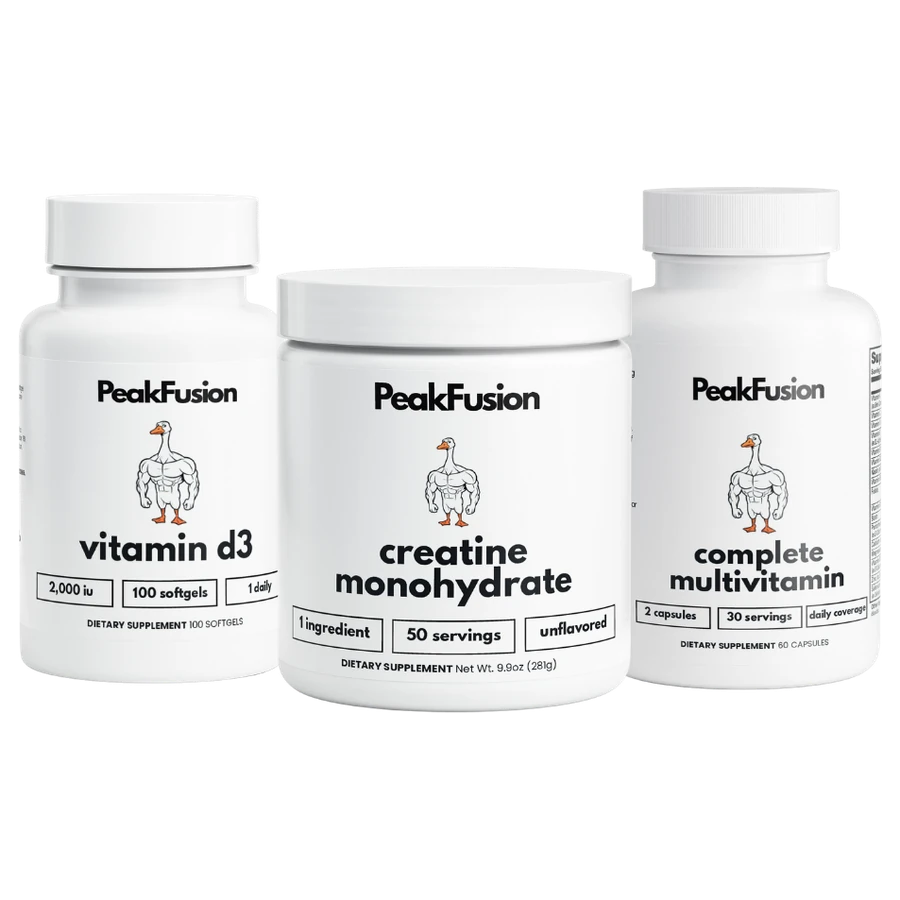
Our creatine is dosed at the clinical 5g per serving used in most of the studies. Same product, same dose, same research, for anyone taking it.
On water retention
This is the most common hesitation, and it is worth addressing directly. Creatine draws water into muscle cells, which is part of how it works, not a side effect separate from it. Some people notice a small amount of water weight in the first couple of weeks. It levels off, and it is intracellular, inside the muscle, not the kind of bloating people tend to picture.
What to actually look for in a creatine product
- Creatine monohydrate specifically. It has the most research behind it of any form. Newer forms with fancier names are not shown to outperform it.
- A stated dose per serving, not a proprietary blend that hides the amount.
- Third-party testing, with the actual lab results published, not just a claim on the label.
Our creatine is micronized monohydrate, 5g per serving, unflavored. Lot B25I013 tested at 100.8% assay against a 99.9% minimum specification, independently verified, and the full report is on our lab results page.
The bottom line
The research behind creatine was never specific to men. The marketing was. That gap is closing, and it should. If you train, the evidence applies to you the same way it applies to anyone else in the room.
This is general information, not medical advice. If you are pregnant, nursing, or managing a health condition, talk to your doctor before starting any new supplement.


